Until the pandemic struck, Lee McKeithan spent his days wandering the streets downtown or living in crowded congregate homeless shelters.
Now, after living in a hotel room provided by the Medically Fragile Shelter, he has been placed in a permanent home. “It was a beautiful thing. It’s been a blessing,” he said.
McKeithan is one of tens of homeless people with medical conditions targeted by a coalition of homeless advocates for better housing.
“We have seen it at the medically fragile shelter. If you get a good night’s sleep, and a hot shower, and your stomach is full, things really do change,” Lea Thullbery, Director of Diversion and Outreach at City With Dwellings, one of the organizations involved in the creation of this shelter.
In a joint effort, the City of Winston-Salem and local community outreach organizations created the shelter for the medically fragile members of the homeless to protect them from COVID-19 and has guaranteed all residents of the shelter permanent housing assistance.
The shelter was started last April and is located at a local hotel on the northside of Winston-Salem, but, due to privacy for the residents, organizers declined to give the specific location of the hotel. It is intended for people who meet the criteria to be considered high-risk for COVID-19 under current CDC guidelines. It houses people who come from both congregate shelters and off the streets of downtown and surrounding areas, where the risk of viral transmission is high.
“The people who are eligible, because they have these conditions, are really at a higher risk of death or getting really sick,” said Thullbery.
The current capacity of the shelter is 40 rooms. Couples may room together. Residents at the shelter are able to enjoy their own private room, bathroom, and TV. For people who have been living in overcrowded congregate shelters and on the street this is quite a welcome change, says McKeithan.
Residents of the hotel are expected to follow all social distancing and masking guidelines and are encouraged to only leave for smoke breaks, for shorts walks, or to go to doctors appointments. There is also staff on site 24 hours a day. “This is for their safety and the safety of the other residents,” said Thullbery.
The city is funding the costs of the shelter and has also guaranteed all residents of the shelter permanent housing assistance.
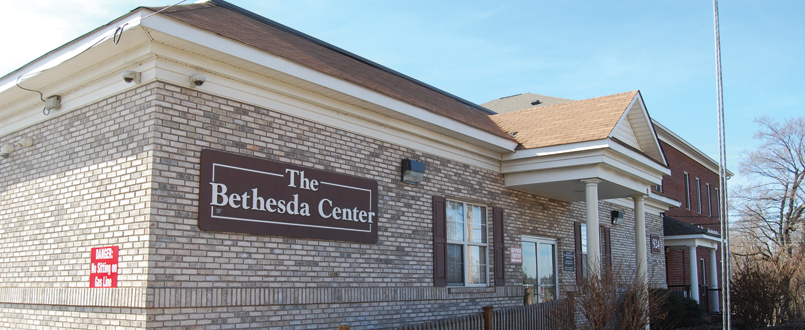
Rochelle Smith, Interim Executive Director at Bethesda Center, another organization involved in facilitating the shelter, said that permanent housing placement has been more difficult because the moratorium on evictions, due the pandemic, has limited available housing. She also said that they often run into identification and documentation issues when searching for housing, but, typically, people are being placed within 60 days.
Though it took eight months, McKeithan was one of 53 residents that were able to get placed in permanent housing.
“I really didn’t think I was gonna get placed, because it took so long,” said McKeithan. Now, he says, he’s ready to find a job. “I want to do something positive,” he said.